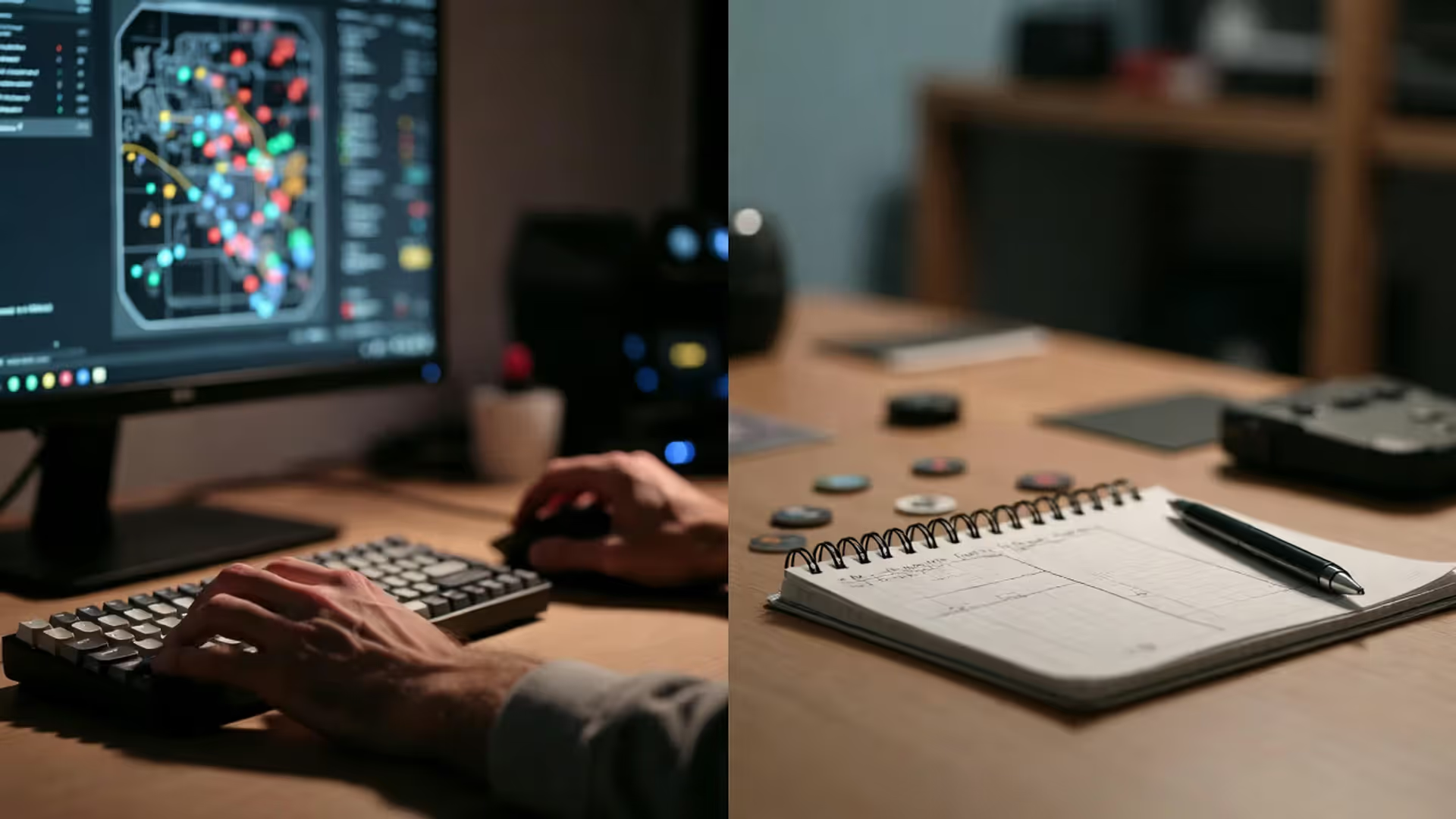

Planning beats reflexes in tactical combat.
Tactical Games Guide To Turn Based Strategy

Content
Remember that chess game where you sacrificed your queen to trap your opponent's king? Tactical games capture that same "aha!" moment, except instead of chess pieces, you're pushing soldiers through cover, calculating sight lines, and praying your sniper doesn't miss a 95% shot. These aren't twitch-reflex affairs—they're digital board games where battlefield positioning beats fast fingers every time.
I've sunk hundreds of hours into watching my carefully-trained soldiers get obliterated because I moved them three tiles too far forward. That pain? It's what makes the genre special.
What Makes a Game "Tactical"? Core Mechanics Explained
The DNA of tactical games comes down to turning combat into a spatial puzzle. You're not mashing buttons—you're treating the battlefield like a chessboard where each square matters.
Most of these games use grid-based movement as their skeleton. Your characters sit on tiles (sometimes hexagons, sometimes squares), and every wall, barrel, or elevation change creates natural bottlenecks. Put your ranger behind a concrete slab? She'll probably survive the next volley. Leave her in an open street? Start writing her eulogy. The concept sounds basic until you realize terrain awareness separates players who finish campaigns from those who rage-quit after mission three.
Action points are your currency. Every game hands out a budget—maybe two points per soldier, maybe five. Walking costs points. Shooting costs points. Using that rocket launcher definitely costs points. Beginners make this mistake constantly: they sprint their unit toward enemies, spend every point reaching position, then realize they can't actually fire. Now that soldier's sitting exposed with nothing to show for it. Smart players think one turn ahead, positioning for next turn's attack rather than this turn's desperation move.
Here's where line of sight gets interesting. Walls completely block vision in most games (seems obvious, right?). But half-cover might let you shoot while only exposing your head. Height matters too—soldiers on rooftops spot enemies that ground troops can't see yet. Some games get really particular with vision cones, where your unit only sees what's directly ahead. Turn them around? Suddenly three enemies appear behind you. Fun times.
Positioning separates casual players from the ones posting YouTube strategy guides. Flanking attacks—hitting enemies from the side or rear—often ignore their cover entirely. The overwatch mechanic (units auto-fire when enemies move through their vision) creates ambush opportunities. High ground delivers accuracy buffs and extended vision range. These systems interlock like gears, transforming basic "walk here, shoot that" into legitimate tactical depth.
Oh, and many games feature permadeath. Lose that sniper you've developed over 15 missions? She's gone. Forever. That emotional gut-punch changes everything about how you approach risk.
The beauty of tactical combat is that perfect information doesn't guarantee perfect play. Even when you see every enemy position, you still face agonizing trade-offs about which threats to address first and which units to risk.
— Mark Nauta, Lead Designer at Tactical Adventures
Turn Based Tactics vs. Real-Time Strategy: Key Differences
The split between these genres matters way more than you'd think from just reading their names.
Real-time strategy games—think StarCraft—reward fast mouse clicks and multitasking. You're building bases, managing economies, and controlling three different skirmishes simultaneously. Speed wins. Hesitate for five seconds and you've already lost map control.
Turn based tactics completely removes time pressure. You can stare at the battlefield for ten minutes analyzing angles. The AI doesn't care. Nobody's rushing you. Quality of decision beats speed of execution, every single time.
This creates wildly different learning curves. RTS games throw you into the deep end—new players drown trying to manage resource gathering while enemies are already attacking. Turn based games let you absorb mechanics one fight at a time. The skill ceiling stays just as high, but the entry ramp is gentler. You won't fail because your fingers weren't fast enough.
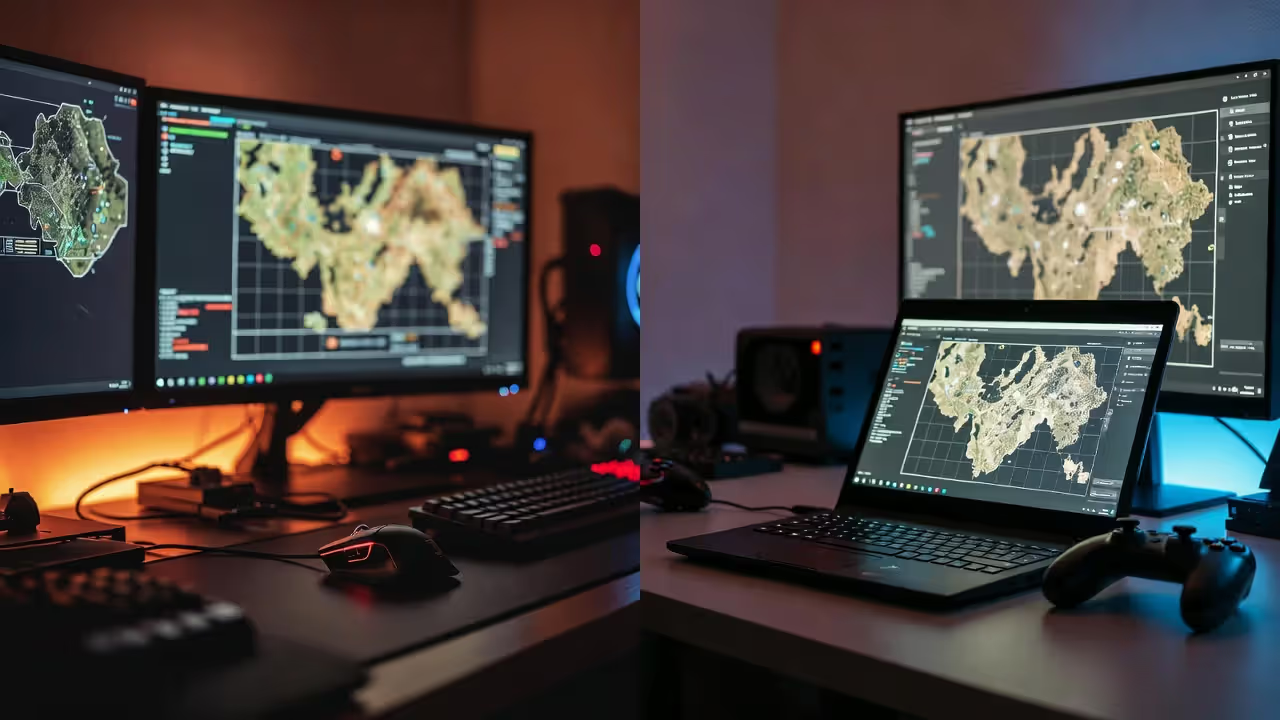
Pacing splits players down the middle. RTS matches might deliver 20 minutes of non-stop intensity. A single turn-based mission could stretch across two hours of careful positioning, long quiet moments of analysis, then explosive payoffs. Some folks find this meditative. Others think it's watching paint dry.
Author: Tyler Brooks;
Source: quantumcatanimation.com
Unit control works on completely different scales too. RTS games often mean controlling dozens or hundreds of units as resources. Turn based tactics typically focus on squads of four to twelve characters—each with names, abilities, and gear you've customized. You're not treating them as disposable. You remember Sergeant Rodriguez because she saved your campaign by landing a miracle shot in mission seven.
Competitive multiplayer reflects these design differences. RTS games dominate esports because matches move fast and spectators stay engaged. Turn based tactics rarely work competitively—nobody wants to watch someone stare silently at a grid for three minutes per turn.
12 Best Tactical Games Worth Playing
| Title | Year | Challenge Level | Mission Duration | Where to Play | Perfect For |
| XCOM 2: War of the Chosen | 2017 | Brutal | 45-60 minutes | PC, PlayStation, Xbox, Switch | Masochists who enjoy restarting campaigns |
| Into the Breach | 2018 | Moderate | 15-20 minutes | PC, Switch | People who want puzzles disguised as combat |
| Fire Emblem: Three Houses | 2019 | Moderate | 30-45 minutes | Switch | Anyone who cries at fictional character deaths |
| Jagged Alliance 3 | 2023 | Punishing | 60-90 minutes | PC | Simulation addicts who track ammunition |
| Gears Tactics | 2020 | Moderate | 40-50 minutes | PC, Xbox | Action fans dipping toes into tactics |
| Triangle Strategy | 2022 | Moderate | 35-50 min | Switch | Political drama enthusiasts |
| Phantom Brigade | 2023 | Challenging | 25-35 minutes | PC | Mech nerds who love timeline manipulation |
| Wildermyth | 2021 | Gentle-Moderate | 20-30 minutes | PC, Consoles | Story-first players who dig procedural narratives |
| Troubleshooter: Abandoned Children | 2020 | Hardcore | 45-75 minutes | PC | Min-maxers who love spreadsheets |
| Marvel's Midnight Suns | 2022 | Easy-Moderate | 30-40 minutes | PC, PS5, Xbox, Switch | Card game lovers meeting tactics fans |
Author: Tyler Brooks;
Source: quantumcatanimation.com
Classic Titles That Defined the Genre
XCOM 2 set the bar that everything else measures against. You're running a resistance movement against alien occupiers, managing a mobile headquarters between tactical deployments. The War of the Chosen expansion throws in three recurring enemy commanders who literally learn your strategies and adapt. Soldiers grow across dozens of hours, gaining abilities and equipment, which makes permadeath genuinely heartbreaking. Difficulty? Expect multiple campaign restarts before you see the ending.
Fire Emblem: Three Houses mashes tactical combat together with social simulation. Between fights, you're teaching students at a military academy, building relationships that unlock combat bonuses later. The weapon triangle—swords dominate axes, axes crush lances, lances defeat swords—creates continuous rock-paper-scissors matchups. Three separate story campaigns deliver 200+ hours for completionists.
Jagged Alliance 3 updates the 1999 classic with modern graphics while keeping old-school complexity intact. You're hiring mercenaries with actual personalities, tracking ammunition counts, monitoring weapon durability, and capturing territory on a strategic map. Individual missions can stretch past an hour as you clear buildings room by room. Not recommended for quick gaming sessions.
Modern Innovations in Squad Strategy Gameplay
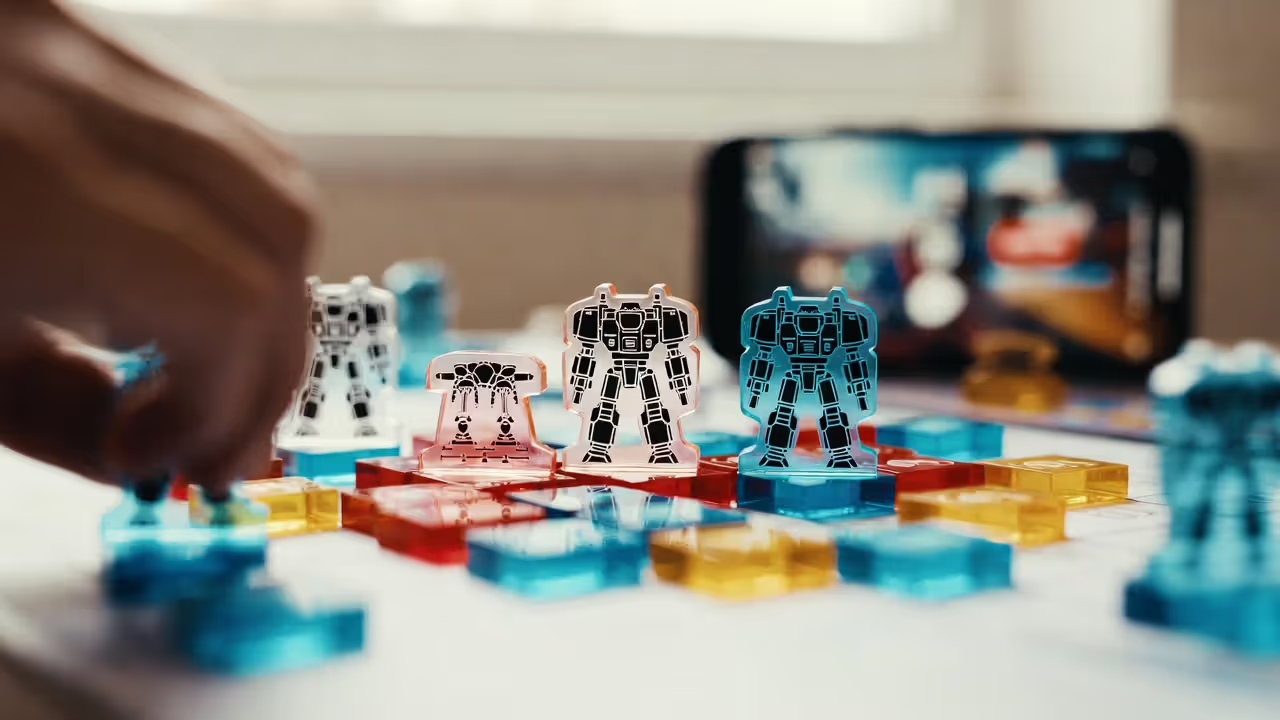
Into the Breach distills tactical combat into pure puzzle form. You control three mechs on an 8x8 grid for 15-minute missions against giant insects. The genius twist: you see exactly what enemies will do next turn. Combat becomes less about dealing damage and more about preventing it—pushing enemies into water, blocking attacks, protecting buildings. Perfect for players intimidated by 50-hour campaigns.
Phantom Brigade introduces timeline manipulation that bends your brain. You plot movements along a five-second timeline, then watch everything play out in real-time. Results look bad? Rewind and adjust your plan. It's turn-based planning meets real-time execution, creating unique tension as you predict enemy movements.
Author: Tyler Brooks;
Source: quantumcatanimation.com
Marvel's Midnight Suns throws card mechanics into the tactical mix. Each turn deals you cards representing hero powers, then you position characters to maximize combos. The deck-building plus tactical positioning combo divides purists, but it offers fresh mechanics if you're burned out on traditional action-point systems.
Wildermyth generates procedural stories where squad members age, form relationships, and eventually retire. Characters gain transformations—a warrior's arm might become living flame after a mystical encounter. The comic-book aesthetic and emergent narratives create memorable campaigns even when tactical combat runs simpler than genre heavyweights.
Common Mistakes New Players Make (And How to Avoid Them)
Overextending individual units has killed more soldiers than enemy firepower ever will. New players spot an enemy at maximum movement range, dash forward for a shot, then end their turn completely isolated. Next enemy phase, four hostiles emerge from the fog of war and obliterate your exposed soldier. Here's my rule: never end a turn where your squad can't provide covering fire next round.
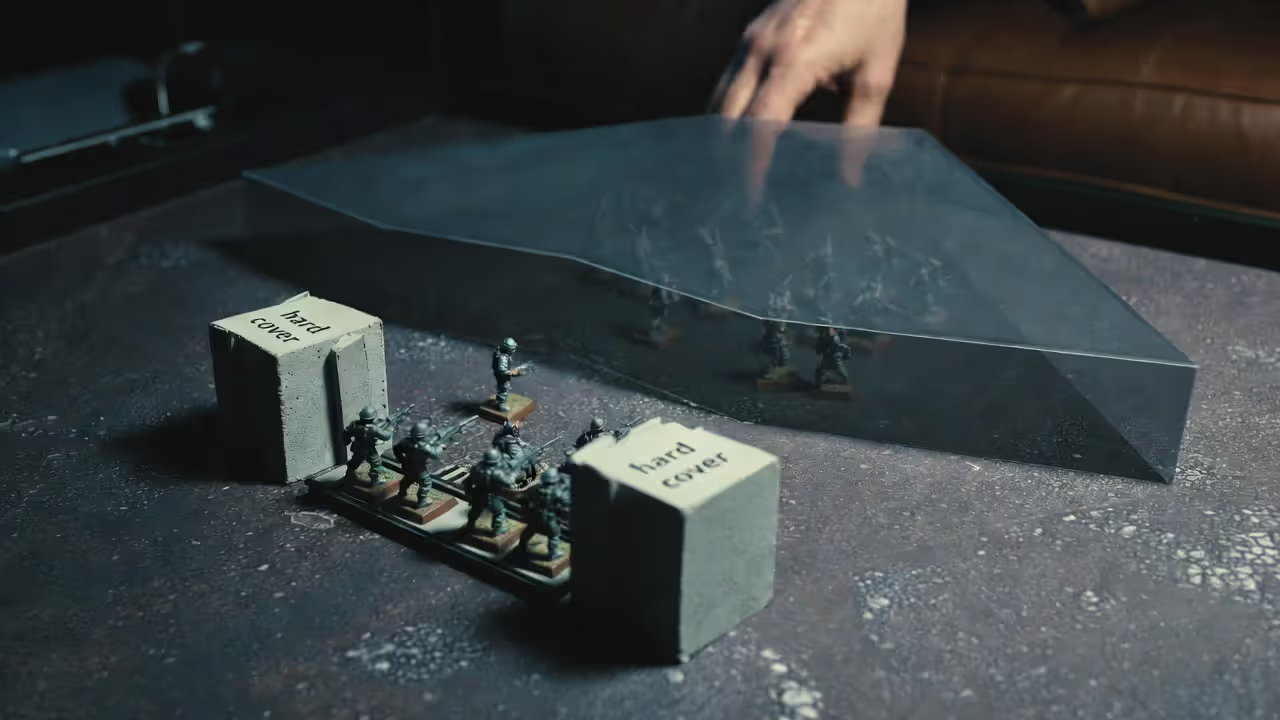
Treating all cover as equal seems like an obvious trap until you're the one making it. That waist-high barrier? Provides minimal defense. That concrete wall? Actually protects your soldier. Many games also distinguish between destructible soft cover (wood, sandbags) and permanent hard cover (stone, metal). Positioning behind a wooden crate feels safe until someone's grenade turns it into kindling.
Missing flanking opportunities wastes your biggest damage multipliers. When enemies hunker behind cover, trading frontal shots accomplishes nothing. Send someone around their position while another provides suppression fire. Flanked enemies lose cover bonuses completely in most games, plus you'll often score critical hit bonuses from side or rear angles. Two soldiers executing a flanking maneuver beats three shooting from the front.
Author: Tyler Brooks;
Source: quantumcatanimation.com
Burning abilities on trivial fights is the rookie energy management mistake. Most games limit ability uses per mission—grenades aren't infinite, special powers have cooldowns. New players panic when they spot the first enemy patrol and dump their entire arsenal. Then the mission boss appears and you're stuck with basic attacks only. Save at least one powerful option for emergencies. That said, finishing missions with unused grenades means you're probably too conservative.
Ignoring turn order displays leads to wasted actions. Most games show the initiative sequence for all units. If your soldier acts right before an enemy, you can reposition into cover safely. If they act right before your own sniper, set them up for a combo attack. Players who ignore initiative sequencing miss coordination opportunities and leave units vulnerable at critical moments.
Skipping gear management between missions handicaps your entire squad. Looting weapons, upgrading armor, optimizing loadouts—this isn't optional busywork. This is how you keep pace with escalating threats. That sniper rifle you found three missions back but never equipped? Might've changed your last failed mission's outcome entirely.
How to Choose Your First Tactical Game: A Decision Framework
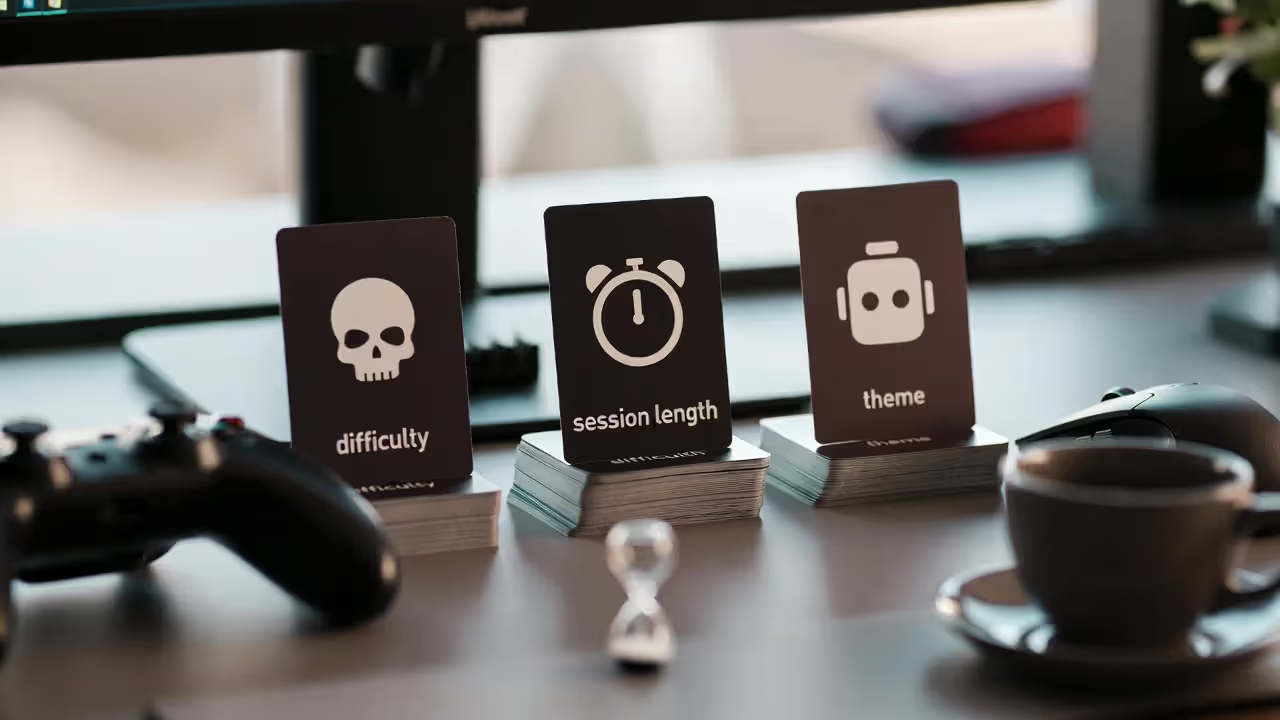
Difficulty tolerance should drive your first purchase. XCOM 2 and Jagged Alliance 3 will punish you ruthlessly for minor mistakes. Into the Breach and Marvel's Midnight Suns offer gentler introductions with undo mechanics and forgiving failure states. Ask yourself honestly: do you enjoy Dark Souls-style punishment, or do you prefer experiencing stories without constant campaign restarts?
Author: Tyler Brooks;
Source: quantumcatanimation.com
Session length varies dramatically across the genre. Into the Breach missions take 15 minutes—you can knock out a complete three-island campaign in one evening. Jagged Alliance 3 missions can stretch past 90 minutes, and you'll want to play several consecutively to maintain strategic momentum. Match the game's time demands to your actual gaming schedule.
Theme preferences matter more than you'd expect going in. Want gritty military realism (Jagged Alliance)? Anime-inspired fantasy (Fire Emblem)? Giant robots (Phantom Brigade)? Superheroes (Midnight Suns)? Mechanical depth means absolutely nothing if you hate the setting. You'll spend dozens of hours in these worlds—choose one that appeals aesthetically, not just mechanically.
Platform availability creates practical limitations. Fire Emblem and Triangle Strategy only run on Switch. Troubleshooter: Abandoned Children is PC-exclusive. If you primarily game on console, your options narrow significantly. Also check whether games support controllers well—some PC tactical games designed around mouse control feel terrible with gamepads.
Permadeath preferences split the community down the middle. Fire Emblem offers "casual mode" where fallen units return after battles. XCOM makes permanent character death central to its identity. Into the Breach resets after each campaign. Decide whether you want emotional stakes from permanent loss or prefer focusing on tactical puzzles without consequence anxiety.
Story versus gameplay focus defines different subgenres entirely. Fire Emblem and Wildermyth emphasize narrative and character arcs. XCOM and Into the Breach are mechanically focused with minimal plot. Neither approach is objectively better, but they attract different player types. If you skip dialogue in RPGs, story-heavy tactical games will frustrate you immensely.
Advanced Squad Strategy Gameplay Techniques
Coordinated flanking requires thinking two turns ahead instead of reacting to current positions. Spot an entrenched enemy position, then split your squad deliberately. Send your fastest scout around the flank while your main force maintains frontal pressure. Now the enemy faces a choice: turn to address the flanker (exposing themselves to frontal fire) or ignore the flanker (accepting rear attacks). Either option benefits you.
Overwatch ambushes transform defensive abilities into offensive devastation. Instead of advancing into unexplored territory, position your entire squad on overwatch at a chokepoint, then trigger enemy patrols with a single expendable scout. Enemies rush toward your position and get shredded by reaction fire before they can even act. This tactic trivializes certain missions but requires patience—you're waiting for enemies to come to you rather than hunting them.
Ability combinations multiply effectiveness beyond simple addition. A soldier with armor-shredding rounds reducing enemy defenses, followed immediately by your rocket trooper's area attack, deals exponentially more damage than using those abilities separately. Stun abilities neutralize dangerous enemies while you focus fire elsewhere. Smoke grenades seem purely defensive until you realize they enable safe movement through otherwise deadly open ground. Study your full toolkit and identify combinations nobody explicitly tells you about.
Long-term resource balancing extends beyond individual missions. In campaign-based games, you're constantly weighing long-term development against short-term survival. Spend resources upgrading weapons now or build new facilities for future missions? Train rookies on easier missions even though veterans would guarantee success? Sell loot for immediate funds or stockpile materials for better equipment later? These strategic-layer decisions ripple through dozens of future missions.
Action economy optimization means extracting maximum value from minimum moves. A soldier who moves, shoots, and uses an ability in one turn generates more impact than three soldiers each doing one thing. Abilities granting extra actions or letting allies act immediately often outweigh abilities with higher raw damage numbers. Value generation beats raw power in extended campaigns.
Environmental weaponization turns maps into damage multipliers. Exploding barrels damage nearby enemies. Elevated positions provide accuracy bonuses and vision range. Destructible walls create new sight lines. Water slows movement speed. Some games let you destroy floor sections, dropping enemies to lower levels and dealing fall damage. Skilled players manipulate battlefields rather than just navigating through them.
Frequently Asked Questions About Tactical Games
Tactical games demand patience and reward thoughtful planning in ways few other genres can match. The satisfaction when you execute a perfect flanking maneuver. The tension when a veteran soldier survives at 1 HP. The agony when a mission collapses because you moved one unit two tiles too aggressively. These moments define the experience.
Start with a game matching your available time and challenge tolerance. Into the Breach offers accessible entry points with minimal time investment. XCOM 2 provides deep, punishing campaigns for committed players willing to restart repeatedly. Fire Emblem blends tactics with character-driven narratives. Jagged Alliance 3 delivers simulation-heavy realism for detail-oriented players.
The learning curve is steep but absolutely surmountable. Your first campaign will probably end in failure. Your tenth might too. Somewhere during those attempts, concepts click into place—you start recognizing flanking opportunities instinctively, managing action economy without conscious calculation, and predicting enemy behavior patterns. That progression from confused rookie to tactical expert delivers more satisfaction than any victory screen ever could.