Where nostalgia becomes a hobby.
Retro Gaming Guide For Modern Players

Content
Last month at a local game swap, I watched a teenager pay $85 for a yellowed Game Boy—then spend the next hour glued to Tetris. Next to him, a forty-something collector haggled over a boxed copy of Chrono Trigger. Three tables down, a speedrunner practiced frame-perfect jumps in Super Mario Bros. 3 on a CRT someone hauled in from their garage.
This scene plays out everywhere from Portland to Tokyo. What started as "I wonder if my old Nintendo still works" has transformed into a full-blown cultural phenomenon. People who weren't born when the SNES launched are now hunting down games their parents played. Meanwhile, those same parents are rediscovering why they spent so many quarters on Street Fighter II.
Here's what hooks people: these games don't coddle you. No quest markers, no difficulty settings, no tutorial pop-ups every three seconds. You learn by dying. A lot. That uncompromising design philosophy—combined with constraints that forced developers to make every pixel count—created experiences that still feel fresh decades later.
What Defines Retro Gaming?
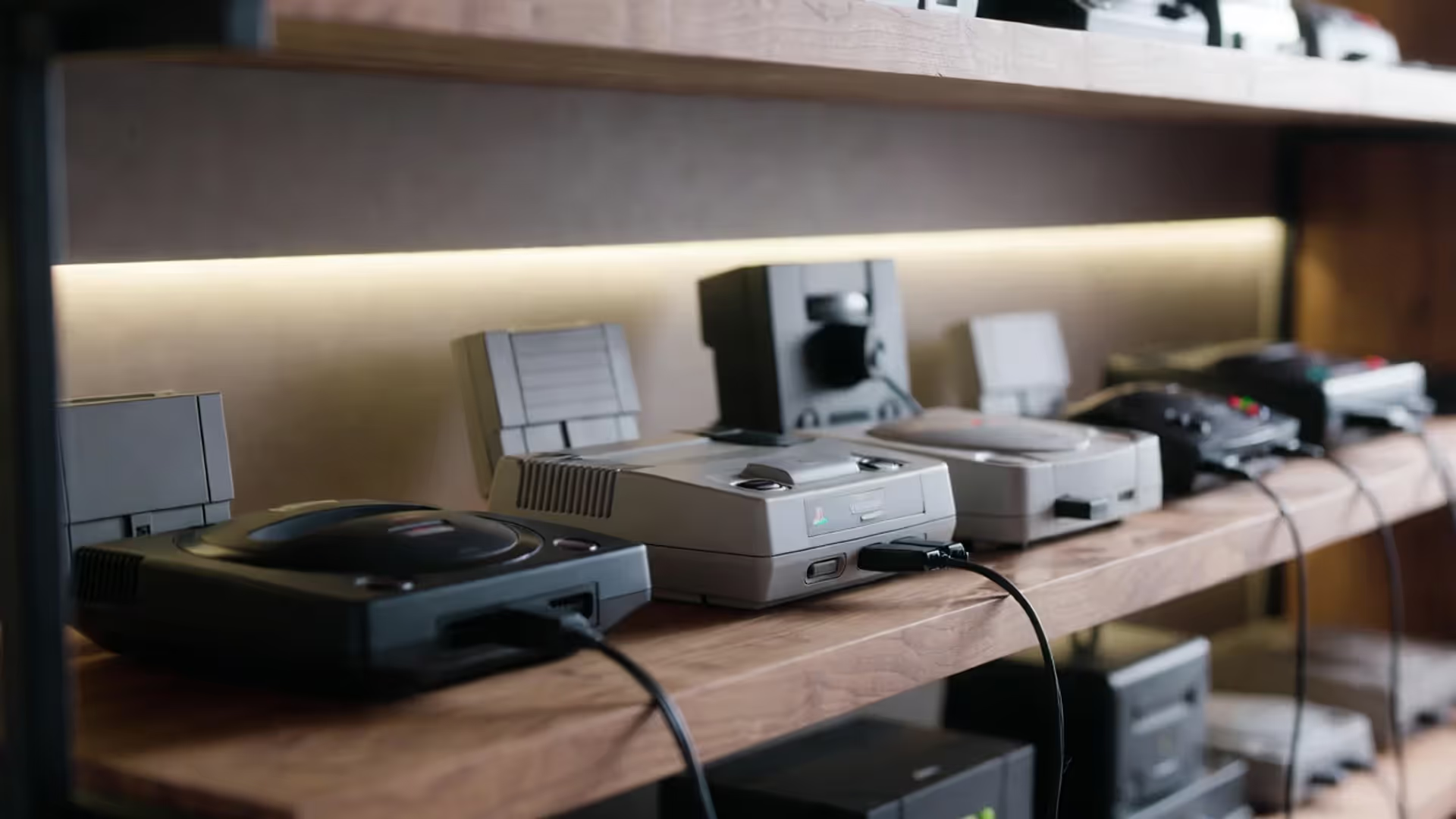
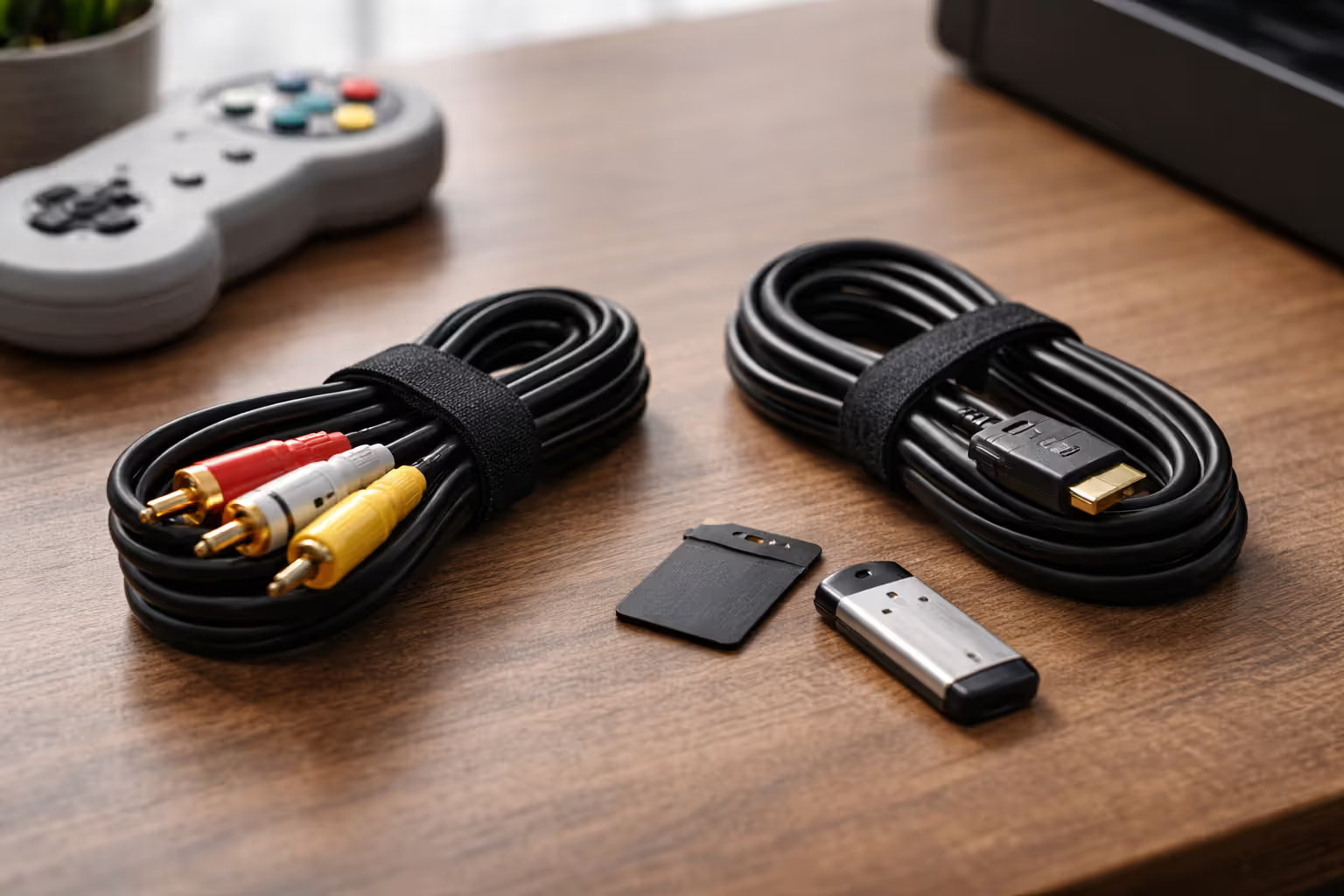
Ask ten collectors where "retro" ends and you'll get eleven different answers. The most common dividing line? Anything released before the Xbox 360/PS3/Wii generation. So we're talking pre-2006 hardware—the kind that used memory cards instead of hard drives, composite cables instead of HDMI.
From roughly 1980 through 1996, developers had no choice but pixel art. The Atari 2600 couldn't do anything else. Neither could the NES, SNES, Genesis, or original Game Boy. Technical limitations weren't artistic choices—they were the only option available. This stretch represents the pixel games era in its purest form.
Then things get messy. Is the Dreamcast retro? It came out in 1999, but its library feels more modern than the PS1's. What about early PS2 games that still looked essentially last-gen? And don't even start the argument about whether Game Boy Advance counts—that conversation has ended friendships.
Modern indie games complicate everything. Shovel Knight and Celeste nail the aesthetic, but they're running on hardware that would've seemed like alien technology in 1989. They've got sprite rotation, parallax scrolling layers, and sound channels that the SNES couldn't dream of. Some purists refuse to call them retro. Others argue they capture the spirit perfectly, even if the technical specs don't match.
Three markers usually separate authentic vintage games from modern homages: physical media you can hold, graphics and audio limited by period-appropriate hardware, and design choices typical of their era. That last one's key. If you're jumping back to checkpoints every thirty seconds, you're probably not experiencing true retro design—regardless of how chunky the pixels look.
Author: Tyler Brooks;
Source: quantumcatanimation.com
The Golden Age: How Arcades and Early Consoles Shaped Gaming Culture
Between 1978 and 1992, arcades dominated gaming. Not just as places to play—as social institutions. You'd find them in malls, movie theaters, pizza joints, convenience stores. Anywhere teenagers gathered, a cabinet eventually appeared.
This created gaming's first shared culture. Watching a skilled player navigate Ghosts 'n Goblins taught you patterns you'd attempt on your next quarter. You learned fighting game combos by observing the regular who'd beaten everyone else for three weeks straight. Arcade nostalgia persists because those experiences were fundamentally communal in ways that home gaming wasn't.
Quarter-munching economics shaped everything about arcade game design. That first level? Accessible enough that anyone could see what the game offered. Level three? Significantly harder, ensuring most players died and pumped in another quarter. Later stages demanded genuine mastery—only the dedicated few reached them. This difficulty curve became gaming DNA that persists today.
From Coin-Ops to Living Rooms: The Arcade-to-Console Pipeline
When Atari brought Space Invaders home in 1980, they moved over two million cartridges. Finally, you could play without scrounging for quarters. The catch? The 2600 version looked and played worse than the arcade original. People bought it anyway.
Nintendo perfected this arcade-to-living-room strategy with the NES. They licensed hits like Donkey Kong and Pac-Man while developing console exclusives that couldn't exist in arcades. The Legend of Zelda launched in 1986 with a battery save system—revolutionary for home gaming. You could explore Hyrule across multiple sessions without passwords or starting over. Arcades couldn't offer that.
Regional variations make retro consoles history way more complicated than newcomers expect. Japan got the Famicom in 1983. North America waited until 1985 for the rebranded NES. Europe received different hardware using PAL video standards that actually slowed games down—a 60Hz NTSC game ran at 50Hz on PAL systems. Collectors completing full libraries deal with different cartridge shapes, lockout chips, and even different game releases per region.
Why Pixel Art Still Defines the Retro Aesthetic
The NES could display exactly 54 colors at once from a palette of 64 total. Character sprites measured 8x8 or 8x16 pixels. Backgrounds used repeating 8x8 tiles. Within these brutal constraints, artists created Mario, Link, Samus, and Mega Man—characters you'd recognize from twenty feet away despite being constructed from maybe a dozen colored squares.
Efficiency became art. Animators conveyed running with three frames. Two frames for jumping. Background artists suggested entire forests using four tree tiles arranged cleverly. Every single pixel carried weight because there weren't enough to waste any.
Compare that to modern "retro-styled" games. Owlboy uses 300+ colors simultaneously and sprites that would've melted an NES. It looks gorgeous—but it's not authentic to period hardware. Real NES pixel art had dithering (alternating pixels to fake color gradients), sprite flickering when too many objects appeared, and harsh color banding. Those "limitations" now trigger nostalgia as powerfully as the actual gameplay.
Building Your Retro Console Collection: What to Buy and What to Skip
Jumping into collecting without a plan empties your wallet fast. I've watched newcomers blow $500 their first month on games they never play. Here's how to build smarter.
Target sixth-gen systems first if money's tight. PS2 and original Xbox consoles run $60-100 working. Their libraries contain thousands of titles, most under $10. These systems straddle vintage and modern—old enough to feel retro, recent enough that finding working hardware isn't treasure hunting.
Fourth-gen collecting hits the sweet spot for most people. SNES and Genesis consoles cost $80-150 in decent shape. Popular games run $20-60. Hidden gems go cheaper. These defined the 16-bit era and offer the best ratio of playability to collectibility. You're getting historically significant systems at prices that won't require a second mortgage.
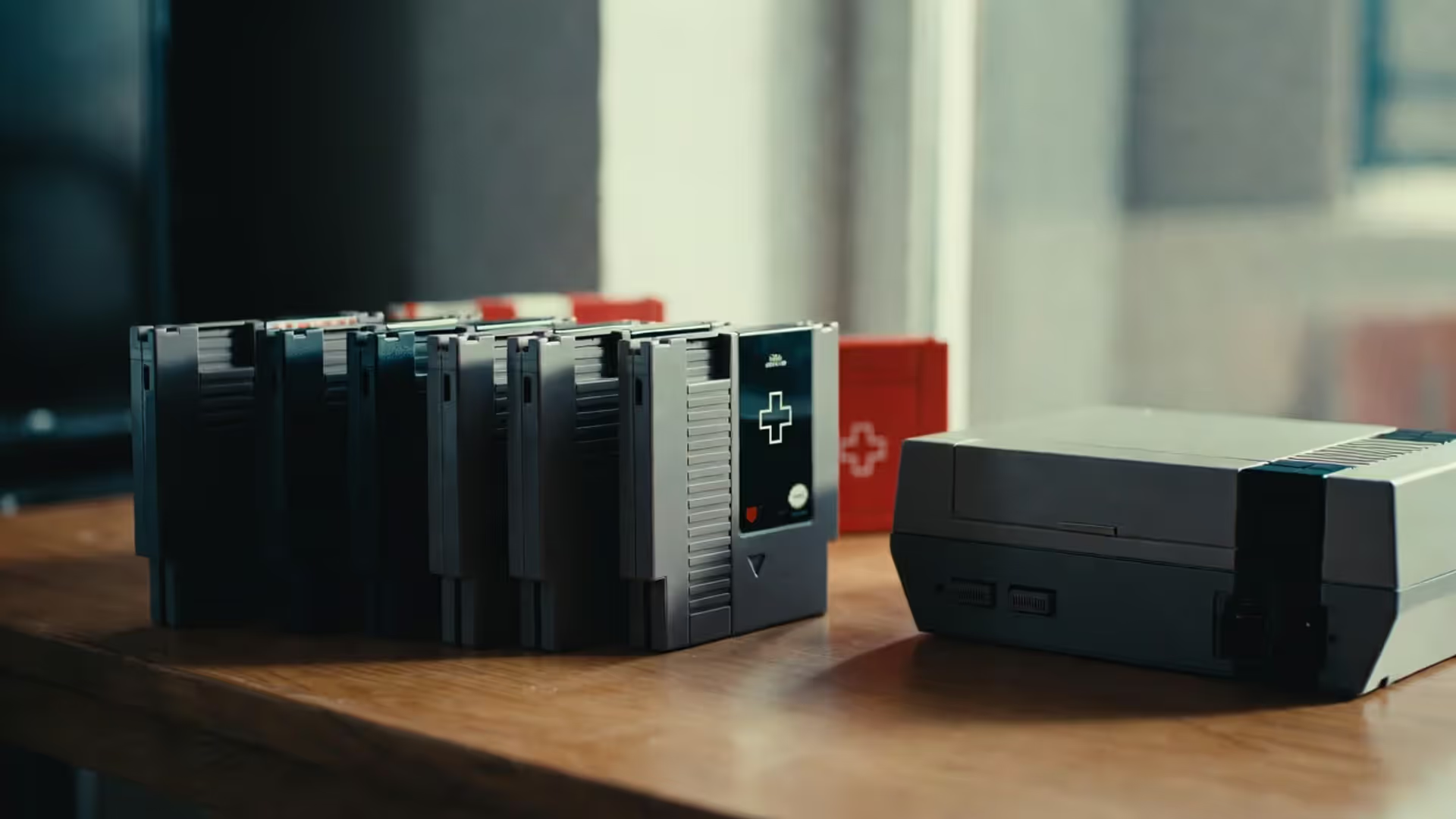
NES collecting costs more than you'd think. The consoles need maintenance—those 72-pin connectors wear out, causing blinking screens and failed boot-ups. Games range from $5 Super Mario Bros. copies to $1,000+ Little Samson cartridges. At 40 years old, condition matters hugely. Labels fade, batteries corrode, cartridge contacts oxidize. Expect to clean and repair everything.
Skip first and second-gen systems unless you're a hardcore historian. Atari 2600 and Intellivision games aged like milk. They have historical value, sure. Entertainment value? Honestly, maybe ten titles from each system still hold up. The rest feel like interactive archaeology projects.
Author: Tyler Brooks;
Source: quantumcatanimation.com
Retro Console Value Guide
| System | Year | Working Console Cost | Total Games Released | Collector Appeal | Ideal For |
| Nintendo Entertainment System | 1985 | $120-$180 | 714 licensed | Very High | Players who want Nintendo's platformer and adventure legacy |
| Sega Genesis | 1989 | $80-$130 | 878 licensed | Moderate | Fans of faster-paced action and Sega's sports titles |
| Super Nintendo | 1991 | $100-$160 | 721 licensed | Extremely High | RPG enthusiasts and anyone chasing the 16-bit peak |
| Sony PlayStation | 1995 | $60-$100 | 1,300+ | Moderate | Newcomers wanting massive variety on a budget |
| Nintendo 64 | 1996 | $90-$140 | 388 total | Moderate | Multiplayer-focused gamers and Nintendo fans |
| Sega Dreamcast | 1999 | $80-$120 | 624 total | High | Import collectors and arcade port enthusiasts |
| Game Boy through Color | 1989-1998 | $50-$90 | 1,047 total | Moderate | Portable collectors and Pokémon completionists |
| PlayStation 2 | 2000 | $60-$100 | 1,850+ | Lower | Anyone wanting maximum games for minimum investment |
These prices assume functional hardware with standard cables and a controller. Special editions, regional variants, and complete-in-box systems cost significantly more. Japanese imports often run cheaper than US releases but need region adapters or console modifications to work with American TVs.
Condition assessment separates smart purchases from money pits. Yellowed plastic indicates UV exposure or cigarette smoke. Worn labels suggest heavy use. Corroded battery terminals mean internal damage. Always test before buying. Disc drives die. Cartridge slots loosen. Capacitors leak acid onto circuit boards. Good sellers offer returns. Private sellers typically don't.
Reproduction hardware floods online marketplaces. Third-party controllers, cables, and power supplies vary from "actually better than original" to "will literally fry your console." Research specific products before buying. Original equipment manufacturers (OEM) parts cost more but guarantee compatibility and safety.
Where Retro Gamers Connect: Communities, Events, and Online Hubs
Reddit's r/retrogaming community has over 500,000 members sharing pickup photos, repair guides, and "what's this game?" posts. Discord servers organize netplay sessions—people playing original games online using special adapters. These retro community gaming spaces welcome beginners. Ask basic questions and expect detailed, genuinely helpful answers.
Physical conventions bring collectors together. Portland Retro Gaming Expo draws 20,000+ attendees. Midwest Gaming Classic and Too Many Games pull similar crowds. You'll find vendor halls with hundreds of sellers, tournaments, panels about game preservation, and more playable arcade cabinets than you'll get through in a weekend. Smaller monthly meetups happen in most major cities—check Facebook groups and Meetup.com.
Speedrunning communities have transformed retro games into competitive sports. Games Done Quick marathons raise millions for charity while showcasing runners completing 30-year-old games in ways developers never imagined. Super Metroid has an entire community dedicated to shaving seconds off completion times. So does Castlevania. And Mega Man. And dozens of others. Watching experts break down games frame-by-frame reveals depth casual players never glimpsed.
YouTube and Twitch creators build careers around retro content. Metal Jesus Rocks reviews hidden gems. My Life in Gaming demonstrates high-end display solutions. Classic Gaming Quarterly explores gaming history. This content helps newcomers identify worthwhile purchases and dodge overpriced junk.
Local game stores specializing in vintage titles serve as community anchors. These shops host weekly tournaments, maintain rental libraries, and offer repair services. Staff knowledge destroys what you'll get at GameStop. Building relationships with shop owners gets you first looks at new inventory and fair trade values.

Author: Tyler Brooks;
Source: quantumcatanimation.com
Common Mistakes New Retro Collectors Make (And How to Avoid Them)
Paying $30 for Super Mario Bros. ranks as mistake number one. That cartridge exists in approximately eight trillion copies. Same with Sonic the Hedgehog and every Madden from 1993-1999. Check PriceCharting.com before every purchase—it aggregates recent sales showing actual market values. Convention sellers sometimes price based on fantasy rather than data.
Skipping console maintenance creates expensive problems later. Thirty-year-old capacitors leak. Disc drive lasers weaken and fail. Cartridge slots accumulate decades of dust. Budget time and money for upkeep. Learn basic repairs yourself or find a trustworthy technician. That $100 console becomes a $100 paperweight if it stops working.
Counterfeit cartridges plague expensive titles. Pokémon games get reproduced constantly. So does Earthbound and every JRPG over $80. Screws, plastic quality, and label printing reveal fakes under scrutiny. Authentic Game Boy carts use tri-wing security screws. Reproductions typically use Phillips heads. Circuit board stamps and chip markings confirm legitimacy, but you've got to open the cartridge to check.
Poor storage damages collections permanently. Direct sunlight bleaches labels. Humidity corrodes metal contacts. Temperature swings crack plastic shells. Store games in climate-controlled rooms away from windows. Remove batteries from cartridges before long-term storage—they will eventually leak, destroying boards. Consider archival boxes for valuable titles.
Region locking catches newbies constantly. Japanese Super Famicom cartridges physically won't fit in US SNES consoles without modification. European PAL games run at different frame rates than American NTSC versions—literally slower gameplay. Research compatibility before buying imports or you'll own games you can't play.
Treating games as investments rather than entertainment ruins the hobby. Video game markets swing wildly. Prices spiked during pandemic lockdowns then crashed afterward. Buy games you actually want to play, not ones you hope will fund your retirement. The hobby stays fun when you're not obsessively checking price fluctuations.
How Modern Gaming Keeps the Retro Spirit Alive
Independent developers keep pixel art alive through games like Hollow Knight, Shovel Knight, and Celeste. These titles prove challenging 2D gameplay still resonates with modern audiences. They cherry-pick retro's strengths—tight controls, fair difficulty, pure gameplay focus—while modernizing the frustrating bits. Unlimited continues. Frequent checkpoints. Quality-of-life features that smooth rough edges without eliminating challenge.
Official re-releases make classics accessible without hunting down original hardware. Nintendo Switch Online includes NES and SNES libraries. PlayStation Plus offers PS1 and PS2 titles. These subscription services provide legal access at reasonable prices. They lack the tactile satisfaction of handling cartridges but offer undeniable convenience.
Even AAA studios embrace the pixel games era influence. Mega Man 11 revived a dormant franchise in 2018. Streets of Rage 4 dropped in 2020, 26 years after its predecessor. These games respect their source material while evolving mechanics for contemporary players.
Emulation occupies controversial legal territory. Downloading ROMs from websites violates copyright—full stop. Emulators themselves remain legal since they're reverse-engineered code, not stolen software. Ripping ROMs from cartridges you personally own for private use arguably falls under fair use, though publishers fiercely disagree. Preservation advocates contend emulation saves games from extinction when original hardware inevitably fails.
Retro games taught me that limitations breed creativity. When you can't add more polygons or higher resolution textures, you focus on making every element meaningful. Modern developers would benefit from those constraints—not technically, but philosophically. Ask 'Is this necessary?' before adding features.
— Frank Cifaldi, Video Game History Foundation founder
Hardware manufacturers acknowledge retro's commercial viability through mini consoles. The NES Classic sold out instantly in 2016. So did the SNES Classic and Genesis Mini. These plug-and-play devices pack 20-40 games into replica hardware. They're not replacements for original consoles, but they introduce classics to new players while satisfying nostalgic veterans at accessible prices.
ROM hacks and fan translations extend retro games decades beyond their official lifespans. Communities create entirely new Super Mario World levels. Translators bring Japanese-exclusive RPGs to English audiences. Modders fix bugs developers never patched. This grassroots preservation keeps games relevant long after publishers moved on.
FAQ: Your Retro Gaming Questions Answered
These games endure because they solved design problems elegantly despite brutal technical constraints. They treat players like intelligent humans capable of learning systems without hand-holding. They reward skill development with genuine satisfaction instead of psychological manipulation dressed as progression.
Whether you're assembling a collection, exploring games you missed originally, or joining speedrunning communities, retro gaming accommodates every interest level and budget. Start with one console. Buy a handful of games people consistently recommend. Actually play them. Learn their quirks, their rhythms, their design logic.
You'll discover why these decades-old titles still matter—why people willingly haul CRT televisions to conventions, why cartridges clicking into place triggers joy, why communities obsess over frame-perfect jumps in games older than most college students.
The best gaming experiences don't always come in 4K with ray tracing. Sometimes they arrive in 256x224 resolution, beeping through a single audio channel, fitting on chips smaller than your thumbnail. Those limitations didn't prevent brilliant design. They demanded it.